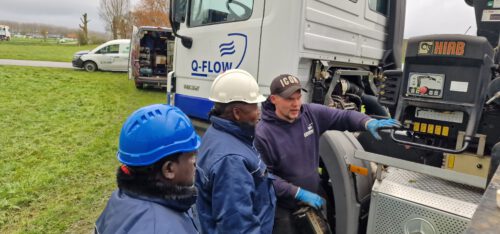
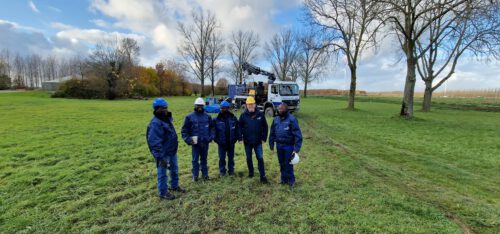
NWSC training well regeneration at Q-Flow International
NWSC training in the Netherlands Completed
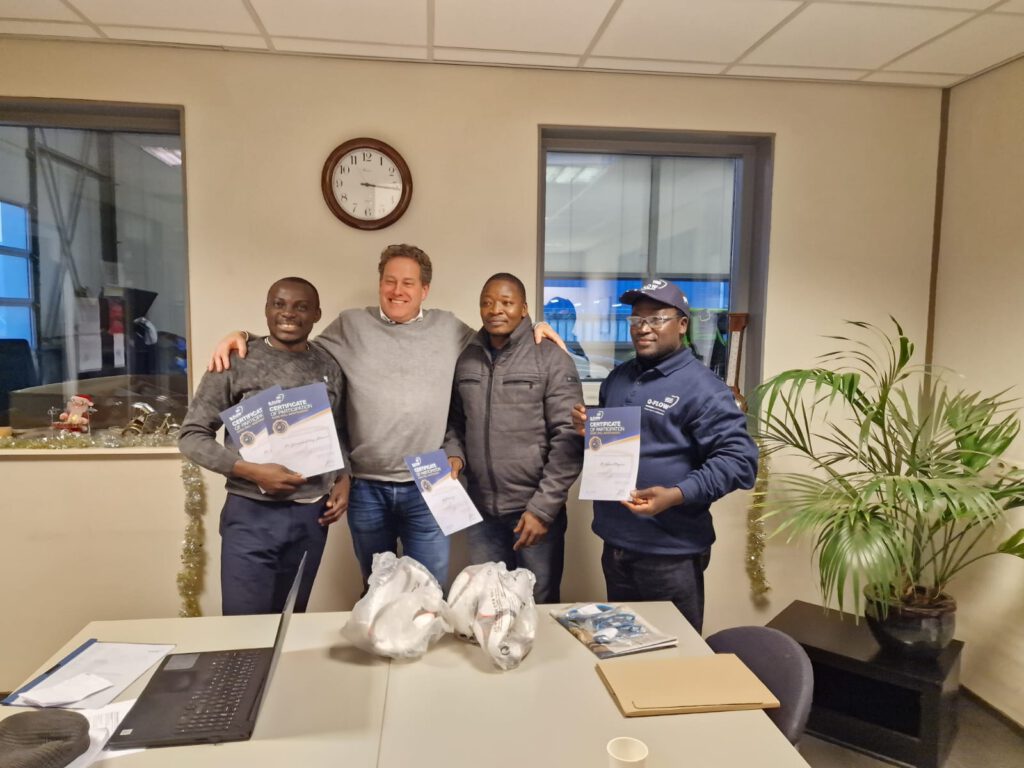
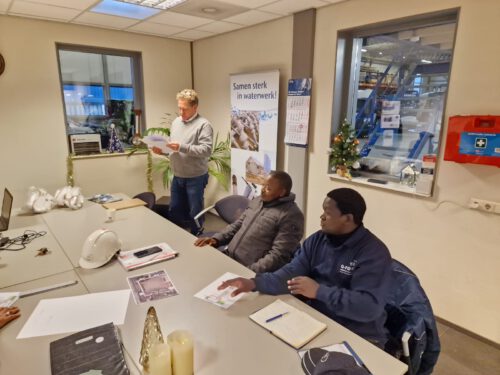
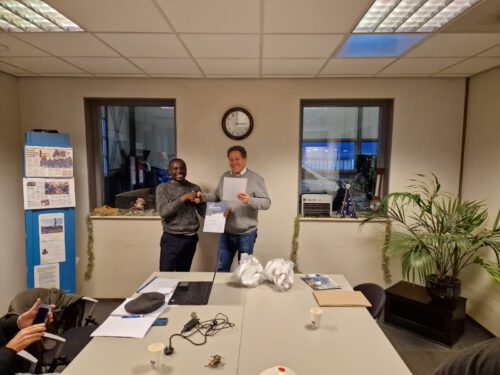
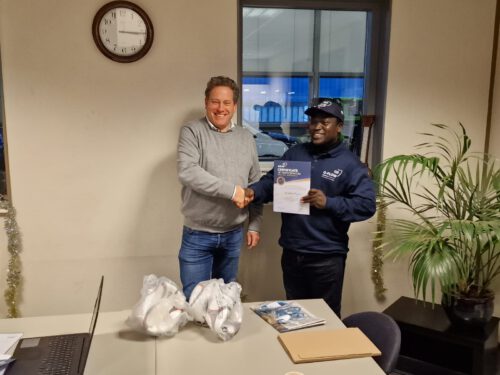
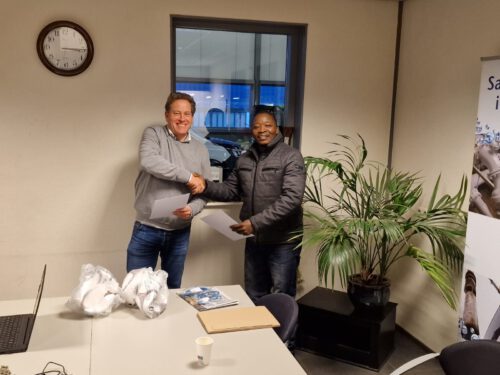
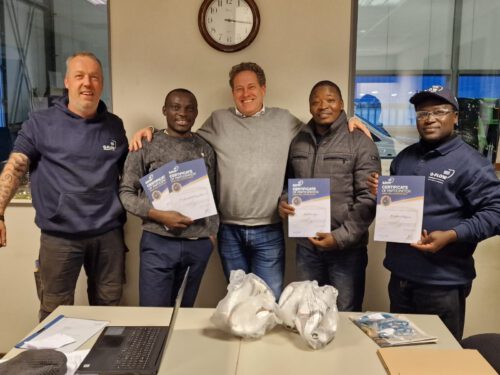
On Friday, December 8th, we concluded the training of the National Water and Sewage Company staff (NWSC) from Oeganda with an exam and a diploma ceremony. Arrangements have been made for the shipment of well regeneration equipment to Uganda and the supply of various other materials. Once all the material is in Uganda, we will organize a 2-week training in Uganda to help NWSC get started.
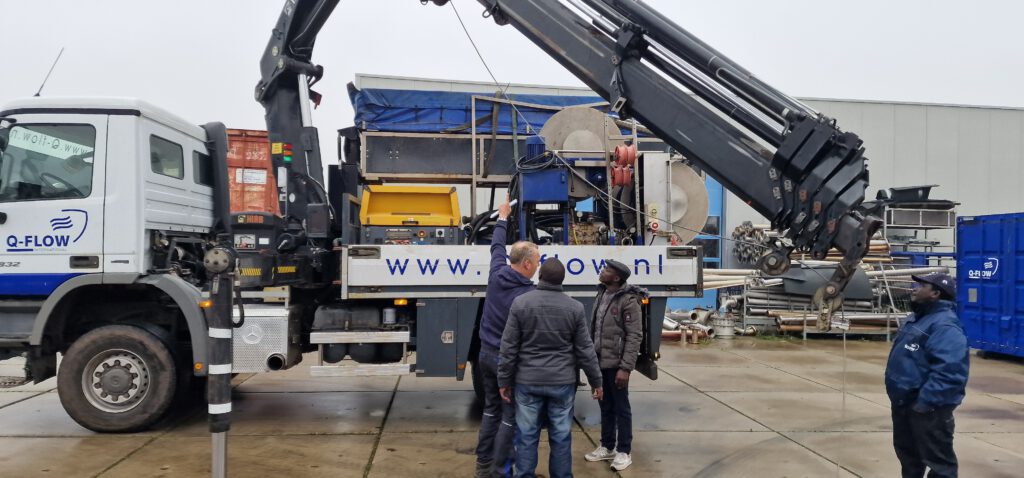
A Nijverdal company is helping Uganda expanding the drinking watersupply: Q-Flow learns them to boost old wells
Article Tubantia/AD Wednesday, November 29th, 2023
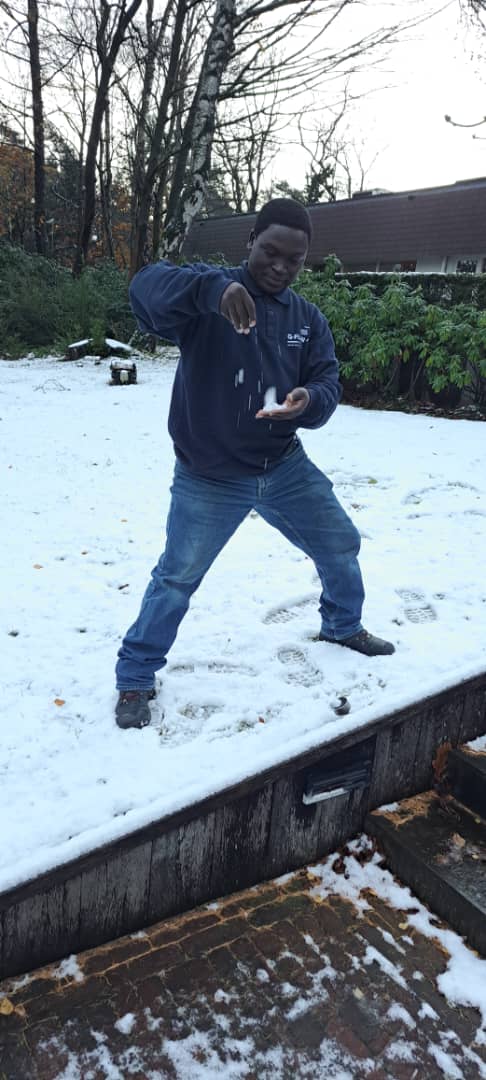
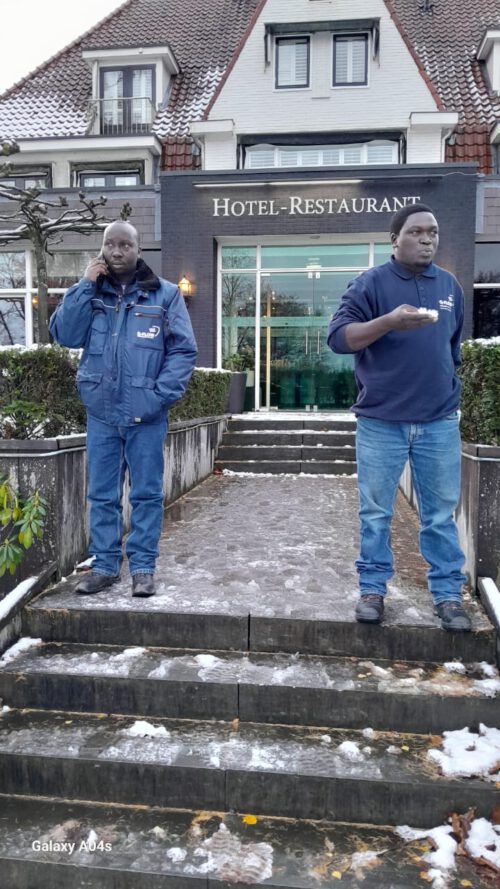
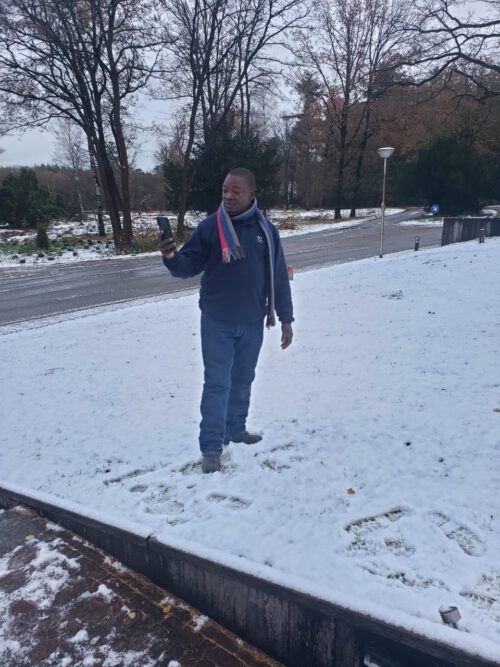
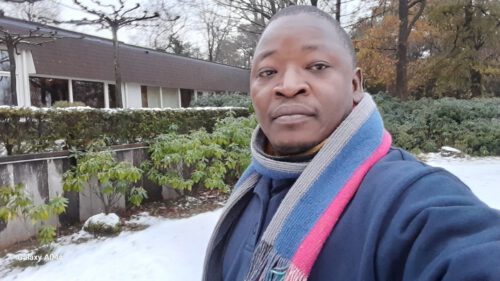
When Ugandan Hillary Dammie Atuhairwe looked out the window on Tuesday morning, he saw snow for the first time in his life. They are guests of the Nijverdal company Q-Flow, which trains the four how to regenerate an old Vitens well. That is why they are in the Netherlands.
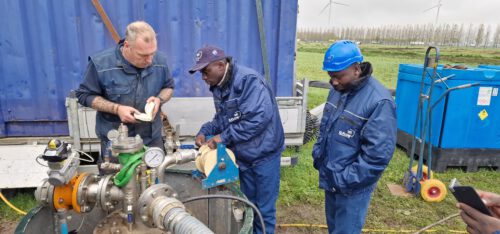
The Africans Hillary Atuhairwe, Vincent Mugerwa, Patrick Ijera and Charles Kiyimba are in the cold and wet Netherlands for three weeks to learn, from Martin Bloemscheer and his me,n how to operate the well regeneration installation with which they can regenerate clogged drinking water wells in their own country next year. Uganda lacks advanced equipment for this.
Defective
“We lose too many wellsin Uganda due to poor maintenance. With this equipment we can use the wells for a longer time,” says foreman Atuhairwe. The foursome work for the Ugandan drinking water company NWSC, which has a partnership with the Dutch Vitens Evides International “VEI” (a partnership of a number of Dutch drinking water companies) for many years. This led to contact with Q-Flow in 2019, which services the wells of Vitens and many other communal drinking water suppliers in Holland and abroad.
Drinking water is not available in all parts of the cities where NWSC supplies, partly due to poor maintenance. “But our target is to have 100 percent coverage by 2026,” says Atuhairwe. “That is not possible without this equipment. Because while we are now drilling new wells, old ones are being lost because we only have simple means for maintenance.”
Drink water without boiling
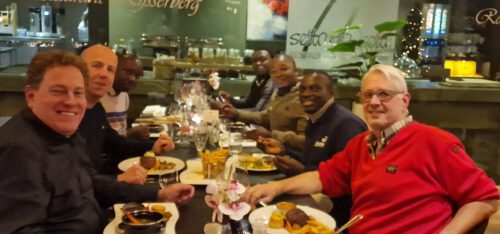
In their hotel (Fletcher) in Rijssen, the men were amazed when they saw glasses in the bathroom and understood that the water could be drunk straight from the tap. “To be able to drink it, we always have to boil the tap water in Uganda,” says Mugerwa.
Just like in the Netherlands, Ugandan drinking water companies use both ground and surface water as a source. They explain that attention is now mainly focused on more water for everyone, rather than better purified water. “To purify it, we just add some chlorine to it,” says Atuhairwe.
In the woods
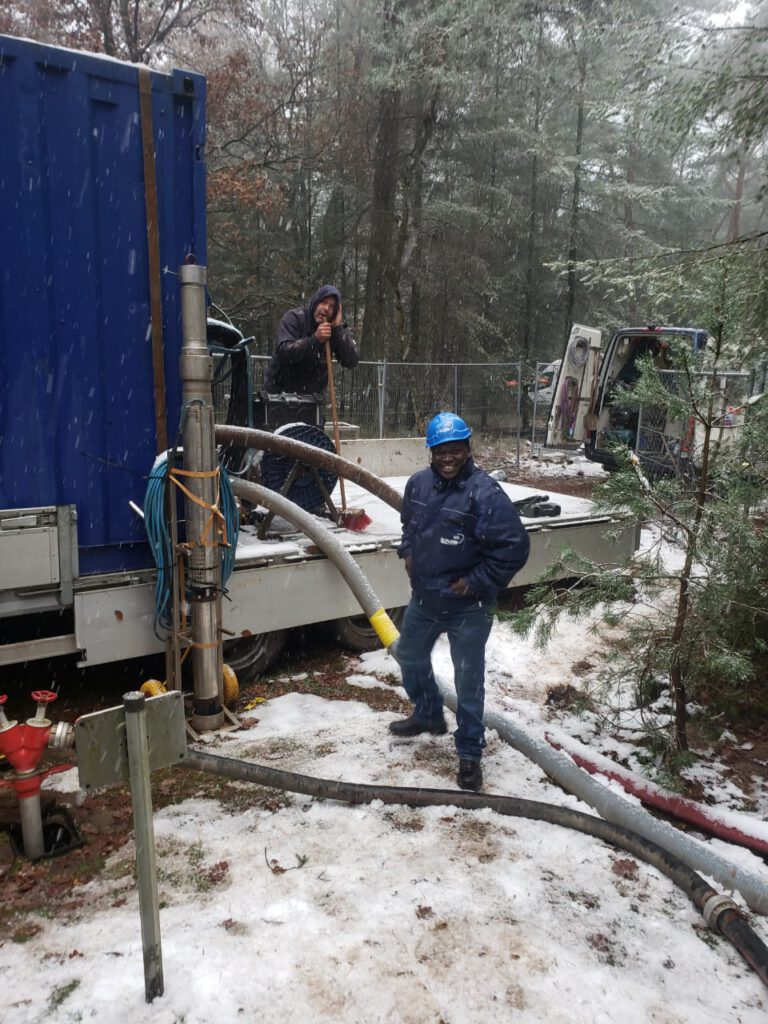
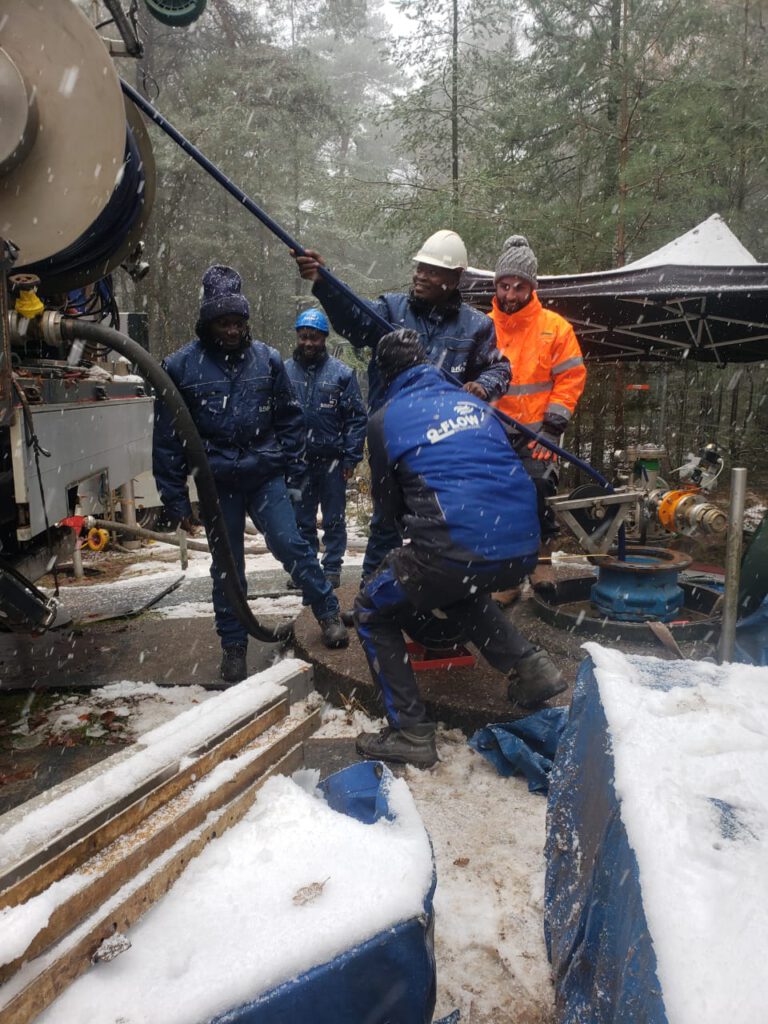
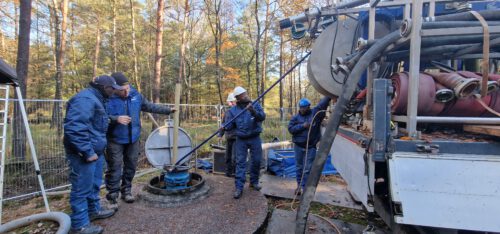
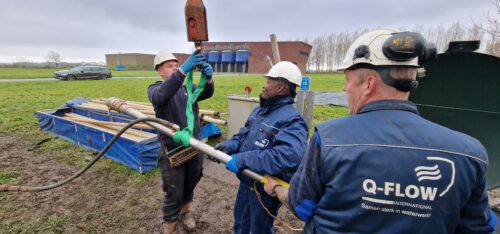
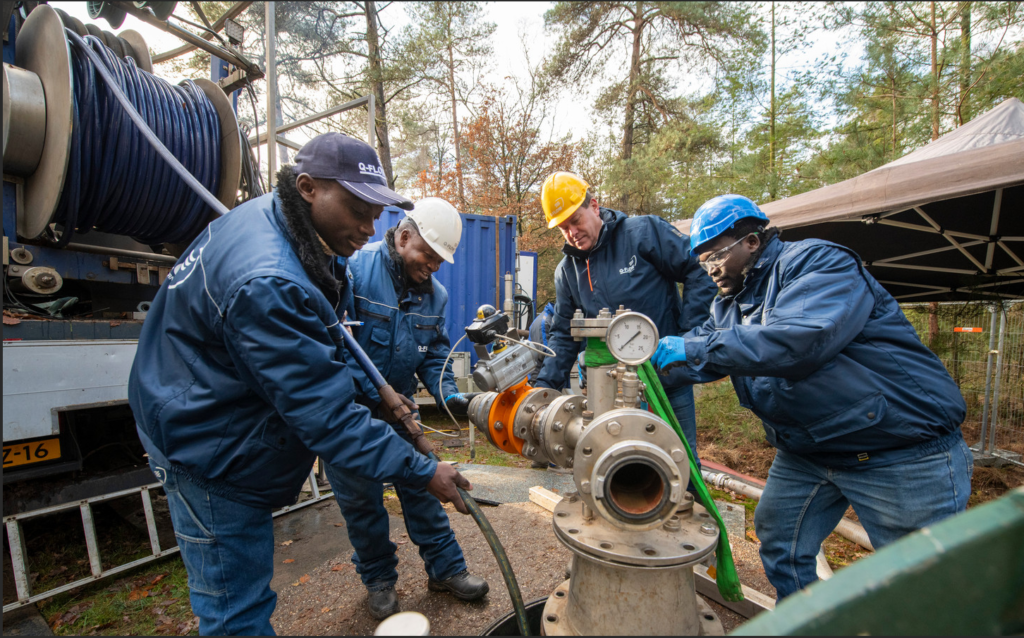
Today, soon after breakfast with sandwiches – which they say they thoroughly enjoy – the Africans went to the Hoge Veluwe, to boost a Vitens well that is performing below par, in the woods behind Beekbergen. The regeneration installation is located there – consisting of a truck with crane and hoses and a container full of special equipment and hydrogen peroxide – which will be shipped to Uganda in due course.
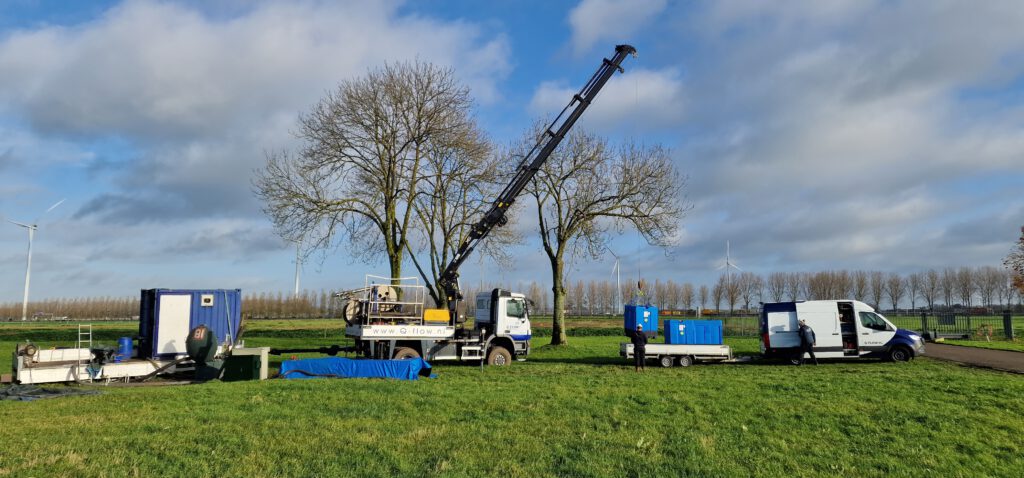
The knife now cuts both ways. The Ugandans learn how to use the equipment and Q-Flow completes an assignment for Vitens. The capacity of wells is monitored. Over time, the filter through which the groundwater is pumped into the well becomes clogged and contaminated and regeneration is necessary. The well here in the water extraction area near Beekbergen is 71 meters deep.
Rope around the wrist
“We are really learning a lot,” says Atuhairwe. “Not only how to operate the equipment, but also how to organize and keep the workplace clean to prevent pollution from a well through the surrounding area, how to work in a safe way. We are also taking the entire process management of the workplace with us to our country.”
Martin Bloemscheer explains how surprised he was about the way of working in Uganda. He describes how, during hard work at a well, he saw a man putting a rope around his wrists to control a weight in the depths in case it came loose. “His whole arm would be ripped when the weigt would come loose,” thought Bloemscheer. “Soon they will no longer have to do anything by hand, but with our crane.”
This is the first time that Q-Flow supplies equipment and expertise to an African country. Bloemscheer says that he has already done projects in South America. Contacts have also been established with Japan, where there are problems with heat-cold storage becoming clogged.
Once in Uganda, the equipment will need to be adapted next year to the wells over there, which have a much smaller diameter. Bloemscheer and his colleagues go overseas for this.